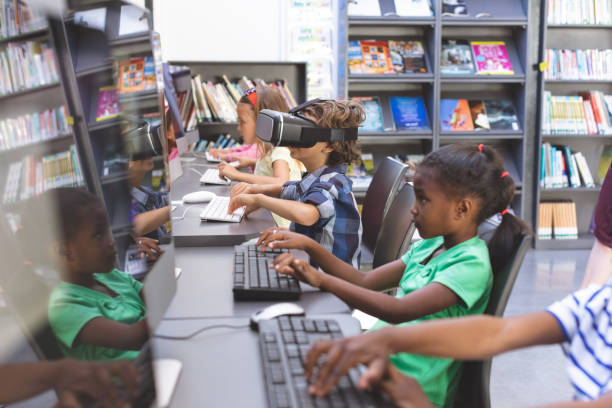

Education has always been associated with classrooms, textbooks, exams, and report cards. For many of us, learning meant sitting in rows, underlining important lines in a book, and memorizing answers before tests. But real learning does not always happen within four walls. In fact, some of the most powerful lessons come from experiences outside the classroom — from real life, real problems, and real people.
Beyond textbooks lies a world full of opportunities to learn in ways that are deeper, more practical, and often more meaningful.
The Limits of Textbook Learning
Textbooks are important. They provide structure, foundational knowledge, and organized information. They help students understand theories, concepts, and historical events. But sometimes, textbooks can feel distant from reality. Reading about how a business works is different from actually running one. Studying environmental issues in a chapter is not the same as participating in a community clean-up drive.
Textbook learning often focuses on what to think, while real-world experience teaches how to think. In exams, there is usually one correct answer. In real life, problems are messy, unpredictable, and require creative thinking.
For example, a student may study management theories in books, but when placed in a real office environment, they quickly realize that handling people, solving conflicts, and meeting deadlines require emotional intelligence and adaptability — skills that are rarely fully developed through reading alone.
Learning by Doing
The idea of “learning by doing” is not new. Educational philosopher John Dewey strongly believed that education should be connected to real-life experiences. According to him, students learn better when they actively engage with their environment rather than passively receive information.
Internships, part-time jobs, volunteering, and project-based learning are great examples of experiential learning. When students participate in internships, they gain practical exposure to workplace culture, communication styles, and problem-solving techniques. They see how theories apply in real situations.
Imagine someone studying computer science. Reading about coding concepts is essential, but building an actual app or website teaches debugging, teamwork, deadlines, and user experience. Mistakes made during real projects often become the most valuable lessons.
Developing Life Skills
Real-world experiences help in developing essential life skills that textbooks often overlook. Skills like communication, leadership, time management, negotiation, and resilience are best learned through practice.
For instance, participating in a group project outside school — such as organizing a local event — forces individuals to coordinate with others, manage resources, and deal with unexpected challenges. These situations teach patience and adaptability.
Travel is another powerful teacher. Visiting new places exposes individuals to different cultures, languages, and lifestyles. It builds empathy and broadens perspectives. A geography lesson about rural communities becomes much more meaningful after actually visiting a village and interacting with its residents.
Problem-Solving in the Real World
In textbooks, problems are structured and guided. In real life, problems are often unclear and require independent thinking. Real-world experiences push individuals to analyze situations, evaluate options, and make decisions under pressure.
Entrepreneurship is a strong example of this. Starting a small business teaches budgeting, marketing, customer service, and risk management. These lessons cannot be fully understood through theory alone. Real customers provide real feedback, and real mistakes carry real consequences.
Community involvement also strengthens problem-solving abilities. Working on social issues such as waste management or education for underprivileged children makes individuals aware of complex societal challenges. It encourages critical thinking and responsibility.
Bridging the Gap Between Theory and Practice
The most effective education system combines both theory and practice. Textbooks provide the foundation, while real-world experience builds upon it.
Take the example of science education. A student may learn about chemical reactions in a book, but performing experiments in a laboratory makes the concepts clearer. Similarly, medical students study anatomy in textbooks, but clinical practice in hospitals transforms them into competent doctors.
Technology has also made experiential learning more accessible. Online platforms allow students to collaborate on global projects, participate in virtual internships, and gain exposure to real-world challenges. However, even with advanced tools, practical engagement remains crucial.
Building Confidence and Independence
One major benefit of learning through experience is the confidence it builds. When individuals face challenges, solve problems, and achieve goals on their own, they develop self-belief.
Public speaking, for example, cannot be mastered by reading tips in a book. It improves only through practice — by standing in front of an audience and speaking despite nervousness. The first attempt may not be perfect, but each experience strengthens confidence.
Similarly, managing personal finances teaches responsibility. Handling money, budgeting expenses, and making investment decisions offer lessons that no textbook explanation can fully replace.
Learning from Failure
Failure is often seen as something negative in traditional education systems. Poor grades can discourage students. However, in the real world, failure is an important teacher.
Many successful individuals faced multiple failures before achieving success. Thomas Edison famously experimented thousands of times before inventing the practical light bulb. His journey shows that mistakes are part of learning.
When students engage in real-world projects, they understand that setbacks are normal. A failed business idea, a rejected proposal, or a missed opportunity can teach resilience, persistence, and the importance of improvement.
Social and Emotional Growth
Real-world experiences also contribute to emotional intelligence. Interacting with diverse groups of people improves empathy, understanding, and cooperation.
Volunteering at a shelter or teaching underprivileged children can change perspectives. It makes individuals more socially aware and compassionate. These emotional lessons shape character and values, which are just as important as academic achievements.
In many cases, students remember life lessons from experiences more clearly than facts memorized for exams.
The Future of Education
As the world becomes more dynamic and competitive, the need for practical skills is increasing. Employers today look for problem-solvers, communicators, and innovators — not just degree holders.
Educational institutions are gradually recognizing this shift. Many schools and colleges now encourage internships, field visits, workshops, and collaborative projects. Blended learning models that combine theory with practice are becoming more common.
The future of education lies in balance. Textbooks will always play a role in building knowledge, but real-world experience transforms that knowledge into wisdom.
Conclusion
Beyond textbooks, learning becomes alive and meaningful. Real-world experiences teach lessons that no chapter can fully capture. They build confidence, develop life skills, encourage creativity, and prepare individuals for real challenges.
While textbooks provide the map, real-world experience is the journey. And sometimes, it is during the journey — with its unexpected turns and lessons — that true learning happens.