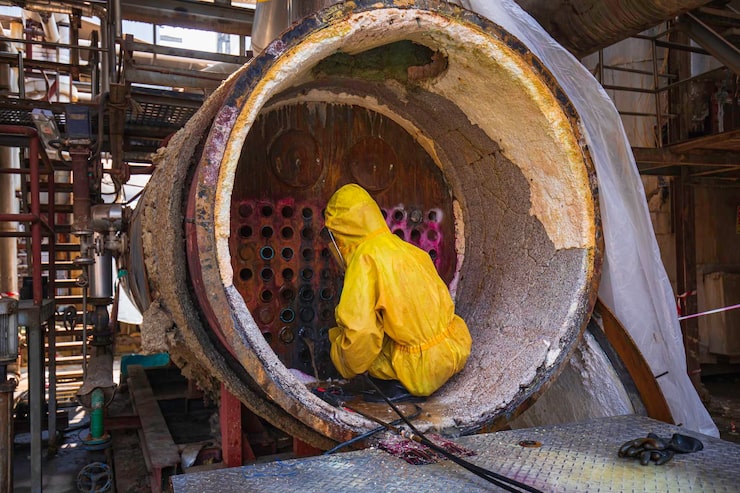

So yeah, let’s just say it straight — cement kiln maintenance is one of those things people in the industry know is important, but still kinda delay… until something breaks and suddenly everyone is in panic mode. I’ve seen this happen more than once (not proud of it honestly). It’s like ignoring that weird noise in your bike thinking “chalega thoda aur”… and then one day it just stops in middle of road.
If you’ve ever worked around kilns, you already know they’re not small machines. They’re massive, always running, always under heat stress, and honestly… a bit moody. One small issue and the whole production line gets affected. And downtime? That’s where money just starts leaking quietly.
The small things nobody talks about enough
One thing I noticed early on — most teams focus on big breakdowns, but the real problem starts way before that. Tiny misalignments, slight wear in seals, minor cracks… these things don’t scream for attention. They whisper. And most people ignore whispers.
It’s kinda like your phone battery draining faster than usual. You notice it, but you don’t act. Then one day it dies at 20% and you’re like “what just happened?”
Kilns behave the same way. The system gives signals. Temperature fluctuations, unusual vibration, small efficiency drops. These are not random. But yeah, in real world, people are busy, targets are there, so these signals get pushed aside.
Why inspection feels boring but saves everything
Let me be honest, inspections are not exciting. Nobody wakes up thinking “today I’ll check kiln seals and feel amazing.” It’s repetitive work. But weirdly, it’s also where most of the savings come from.
A proper inspection routine can catch issues that would otherwise cost lakhs later. I remember one case where a minor seal leakage was ignored for weeks. It didn’t seem urgent. But it ended up increasing fuel consumption so much that the loss over time was honestly painful to calculate.
That’s why proper services like cement kiln maintenance actually matter more than people think. It’s not just fixing stuff. It’s about preventing that slow financial bleed that nobody tracks properly.
The money side people underestimate
Okay, let’s talk numbers a bit — not exact figures, but real logic.
When a kiln runs inefficiently, even by a small percentage, the cost impact is huge. Fuel, energy, raw material waste… everything adds up. It’s like having a tap slightly open all day. You don’t notice it hourly, but at the end of the month, your water bill tells the truth.
And honestly, sometimes companies spend more reacting to problems than they would have spent preventing them. It’s a bit ironic. Spending less in the beginning often saves more later, but convincing management about this is… not always easy.
I’ve seen engineers trying to explain this with data, charts, reports… and still getting “let’s wait and watch” response. Classic.
Online chatter and what people are actually saying
If you ever scroll through industry forums or even LinkedIn discussions (yeah, I do that sometimes when I’m bored), you’ll notice a pattern. A lot of professionals talk about the same issues — unexpected shutdowns, seal failures, alignment problems.
Some even share stories where a simple inspection could have avoided a full shutdown. And the comments are usually like “we faced the same last year” or “this is more common than people admit.”
So yeah, it’s not just theory. It’s happening everywhere. People just don’t always talk about it openly in official reports.
A small story that kinda stuck with me
There was this one plant where everything looked fine on surface. Production was okay, no major breakdowns recently. But one engineer insisted on doing a detailed check.
Turned out, there was gradual wear in a critical component. Nothing dramatic yet, but it was heading there. If they had waited maybe another month or two, it could have caused a shutdown that lasted days.
Fixing it early took a few hours.
That’s the difference. Few hours vs few days. And in industrial terms, that’s not a small difference at all.
Why people still delay it
Honestly? Because maintenance doesn’t feel urgent… until it is.
Production targets feel urgent. Deadlines feel urgent. Client demands feel urgent. Maintenance sits somewhere in background like “haan kar lenge.”
Also, sometimes budgets are tight. So maintenance gets postponed thinking it can wait. And sometimes it can… but not always.
It’s a bit like skipping regular health checkups. You feel fine, so you don’t go. Then suddenly there’s a bigger issue that could have been caught earlier.
The weird truth about efficiency
Here’s something not many talk about — even if your kiln is running, it doesn’t mean it’s running efficiently.
That’s a big difference.
A system can be “working” but still wasting energy, losing heat, or underperforming slightly. And these slight inefficiencies compound over time.
It’s like driving a car with low tyre pressure. The car moves, sure. But fuel consumption increases, tyre wear increases, and performance drops. Same logic.
Final thoughts (not really a conclusion, just saying)
I guess what I’m trying to say is… kiln seals care isn’t just a technical thing, it’s a financial strategy too. Ignoring it might save time today, but it usually costs more later.
And yeah, I know it’s easy to say all this and harder to implement in real plant conditions. There’s always pressure, always something urgent.
But from what I’ve seen (and messed up a bit myself earlier), giving a bit more attention to maintenance actually makes everything smoother in long run.
Not perfect, not problem-free… but definitely less chaotic. And honestly, less chaos is already a win.