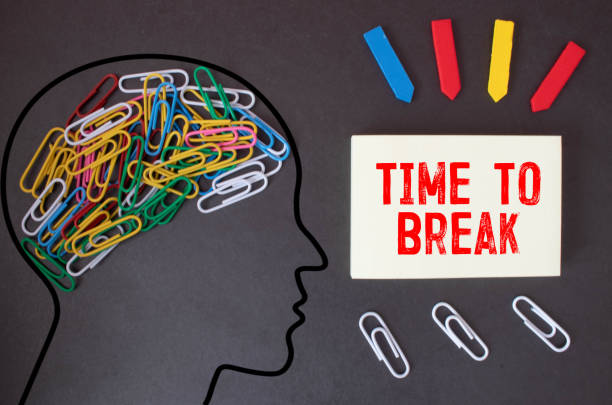

We live in a world where silence feels awkward and boredom almost doesn’t exist anymore. The moment we wake up, we check notifications. Before sleeping, we scroll one last time. Somewhere between emails, reels, memes, news alerts, and random YouTube rabbit holes, our brains barely get a second to just… breathe.
A digital detox isn’t about hating technology. It’s about realizing that your brain is not designed to handle nonstop stimulation 24/7. And honestly, sometimes we don’t even realize how tired our mind actually is until we step away.
The Brain Wasn’t Built for Endless Scrolling
Human brains evolved over thousands of years in slow, natural environments. There were pauses. Quiet moments. Real-world interactions. Today, we switch between apps in seconds. Notifications ping constantly. Every scroll gives us new information, new emotions, new comparisons.
That constant switching forces your brain into something called “continuous partial attention.” You’re never fully focused, but you’re never fully relaxed either. It’s like keeping ten tabs open in your mind at once. Eventually, things slow down, freeze, or crash.
When you scroll social media, your brain releases dopamine — the feel-good chemical. But here’s the tricky part: it’s small bursts, repeated again and again. Over time, your brain starts craving that quick hit. Regular tasks like studying, reading, or even having a normal conversation may start to feel boring in comparison.
That’s not because you’re lazy. It’s because your brain got used to high-speed stimulation.
Mental Fatigue Is Real
Ever felt tired without doing anything physically exhausting? That heavy-head feeling after a long day of being online? That’s cognitive overload.
Your brain uses energy to process every piece of information — messages, headlines, videos, comments. Even background noise from TV or music adds to the load. When there’s no break, your mental battery drains fast.
Symptoms of digital overload can include:
- Difficulty concentrating
- Short attention span
- Irritability
- Anxiety
- Poor sleep
- Feeling restless without your phone
It’s subtle at first. But over time, it builds up. I personally noticed that when I spend too much time online, even small tasks feel overwhelming. It’s like my brain just wants more scrolling instead of actual productivity. And that’s scary in a way.
Sleep Takes the Biggest Hit
One of the biggest victims of excessive screen time is sleep. Blue light from phones and laptops interferes with melatonin — the hormone that helps you sleep. When you scroll before bed, your brain thinks it’s still daytime.
But it’s not just the light. It’s the stimulation.
You tell yourself, “Just five minutes.” Suddenly it’s one hour. You read something upsetting. Or exciting. Or funny. Now your brain is alert, not relaxed. Even after you put the phone down, your thoughts keep running.
Over time, poor sleep affects mood, memory, focus, and even immunity. And then what do we do the next day when we feel tired? Scroll more.
It becomes a cycle.
Attention Span Is Shrinking
Have you noticed how hard it is to watch a full movie without checking your phone? Or read a long article without skipping paragraphs? That’s not random.
Short-form content trains your brain to expect quick rewards. Fast cuts. Fast jokes. Fast information. When something moves slowly, your brain labels it as “boring.”
A digital detox helps retrain your attention span. When you reduce screen time, your brain slowly adjusts. Reading feels easier. Conversations feel deeper. You can sit still without needing constant entertainment.
It doesn’t happen overnight, but it happens.
Emotional Health and Comparison
Social media often shows highlight reels — vacations, achievements, perfect selfies, success stories. Even if you logically know it’s curated, your brain still compares.
Comparison is exhausting. It can create feelings of inadequacy without you even realizing why. A digital detox removes that constant stream of comparison and gives your mind space to reset.
When you step away, you start noticing your own life more. Real conversations. Real moments. Real achievements, even small ones.
It’s kind of peaceful.
What Happens During a Digital Detox?
The first day can feel uncomfortable. You might instinctively reach for your phone. You might feel bored. That’s normal. Your brain is adjusting.
After a few days, something interesting happens:
- Your thoughts feel clearer.
- You feel less rushed.
- You notice your surroundings more.
- You sleep better.
- You feel more present.
It’s not magic. It’s just your nervous system calming down.
Some people do a full weekend detox. Some limit social media to 30 minutes daily. Some avoid screens after 8 PM. It doesn’t have to be extreme. Even small breaks help.
Simple Ways to Start
You don’t need to throw your phone away or move to the mountains. Try small steps:
- No phone for the first 30 minutes after waking up.
- Keep your phone out of the bedroom at night.
- Turn off non-essential notifications.
- Schedule “no-screen” hours.
- Replace scrolling with a real activity — walking, journaling, reading, talking to someone.
When I tried keeping my phone away during meals, it felt weird at first. But then I realized I actually tasted the food better. Sounds funny, but it’s true.
It’s About Balance, Not Rejection
Technology isn’t the enemy. It connects us. It educates us. It entertains us. The problem isn’t usage — it’s overuse.
A digital detox reminds your brain what calm feels like. It resets your dopamine levels. It strengthens your focus. It improves emotional stability. Most importantly, it gives your mind permission to rest.
Think of it like this: You wouldn’t run a car engine nonstop without a break. It would overheat. Your brain works the same way.
Sometimes the most productive thing you can do is nothing. No screen. No scrolling. Just quiet.
Your brain deserves that pause.
And once you experience it, even for a short time, you’ll understand why the break isn’t a luxury — it’s a necessity.