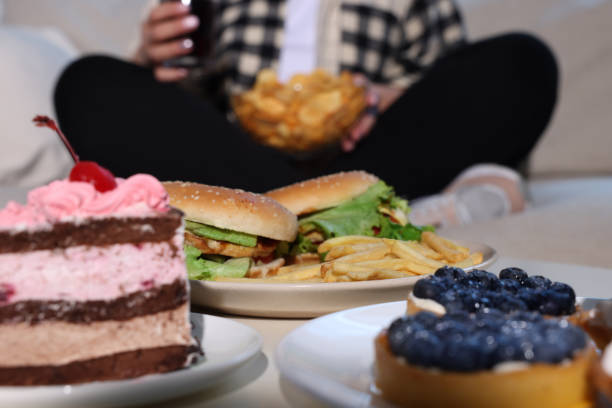

We’ve all been there. It’s late at night, you’re tired, maybe a little stressed, and suddenly nothing in the world sounds better than a bowl of ice cream, a slice of pizza, or hot chocolate. It’s not just hunger. It feels emotional. Almost urgent.
Cravings and comfort food are not just about weak willpower. There’s actual science behind why we want certain foods at certain times. Our brain, hormones, memories, and even childhood experiences all play a role. And honestly, once you understand it, it makes you feel a little less guilty about that extra cookie.
What Exactly Is a Craving?
A craving is not the same as hunger. Hunger is physical. Your stomach growls, your energy drops, and almost any food sounds good. A craving, on the other hand, is specific. You don’t just want food. You want that food.
For example, when you crave chocolate, an apple won’t satisfy you. Even if you eat the apple, your brain might still whisper, “Yeah, but chocolate…”
Cravings are largely driven by the brain’s reward system, especially a chemical called dopamine. Dopamine is often called the “feel-good” neurotransmitter. When you eat something pleasurable — especially sugary or fatty foods — dopamine levels rise. Your brain remembers that pleasure and says, “Hey, that felt nice. Let’s do it again.”
Over time, this creates a loop. Stress or boredom triggers a thought. The thought leads to eating comfort food. The food releases dopamine. Relief follows. The brain learns the pattern.
Why We Crave Sugar and Fat
It’s not random that most comfort foods are high in sugar, fat, or both. From an evolutionary perspective, these nutrients were valuable. Thousands of years ago, food was not always available. High-calorie foods helped humans survive periods of scarcity.
Our brain hasn’t fully evolved past that survival mode. So when we see cake, fries, or creamy pasta, our brain reacts as if we’ve found something rare and precious.
Sugar is especially powerful. It quickly increases blood glucose levels, giving a rapid boost of energy. This can feel like a mood lift. But here’s the tricky part — after the spike comes a crash. That crash can make you feel tired or irritable, which may trigger another craving. It becomes a cycle.
Fat adds richness and texture, which activates pleasure centers in the brain. When sugar and fat are combined (like in donuts or ice cream), the effect is even stronger. It’s basically a jackpot for your reward system.
Stress and Emotional Eating
Stress plays a huge role in cravings. When you’re stressed, your body releases a hormone called cortisol. Cortisol increases appetite and can make you crave high-energy foods.
It makes sense biologically. Stress used to mean danger — like being chased by a predator. The body prepared by storing energy. Today, stress is more about deadlines, exams, or relationship issues. But your body reacts the same way.
Comfort food also reduces stress temporarily. Eating something warm or sweet can lower stress responses and make you feel calmer. It’s not just in your head. Studies show that certain foods can reduce activity in parts of the brain associated with anxiety.
That’s why after a long day, plain salad doesn’t feel comforting. But macaroni and cheese? That feels like a hug.
The Role of Memory and Childhood
Comfort food is often deeply personal. For one person, it might be rajma chawal. For someone else, it’s chicken soup or chocolate brownies.
This is because food is strongly linked to memory. The brain region responsible for memory, the hippocampus, is closely connected to areas that process emotion. When you eat something that reminds you of childhood or a happy time, it triggers emotional memories.
If your mother made halwa during festivals, that food becomes associated with love, celebration, and safety. So later in life, when you feel lonely or stressed, your brain may push you toward that same food.
It’s not just about taste. It’s about emotional meaning.
Hormones and Gender Differences
Hormones also influence cravings. For example, many women experience stronger cravings before their menstrual cycle. This is linked to fluctuations in estrogen and progesterone, which can affect serotonin levels — another chemical connected to mood.
Lower serotonin can make you crave carbohydrates because carbs help increase serotonin temporarily. That’s why chocolate cravings before periods are so common.
Sleep also affects cravings. When you don’t sleep enough, levels of ghrelin (the hunger hormone) increase, and leptin (the fullness hormone) decreases. This combination makes you feel hungrier and less satisfied after eating. Plus, tired brains want quick energy — which usually means sugar.
Is Comfort Food Addictive?
Some researchers argue that certain foods can be addictive, especially ultra-processed foods high in sugar, fat, and salt. These foods stimulate the brain’s reward pathways in ways similar to addictive substances, though not exactly the same.
But calling it addiction can sometimes oversimplify things. Food is necessary for survival. We can’t just quit eating. The real issue is how modern food is engineered to maximize pleasure.
Companies carefully design snacks to have the perfect crunch, sweetness, and melt-in-your-mouth texture. It’s not an accident. It’s food science working on your brain.
Can We Control Cravings?
The good news is that cravings are not unstoppable. Understanding them is the first step.
- Don’t ignore hunger. Skipping meals can make cravings stronger later.
- Manage stress. Exercise, meditation, or even talking to someone can reduce emotional eating.
- Sleep well. Proper sleep balances hunger hormones.
- Allow occasional treats. Completely restricting certain foods can make them more tempting.
Also, sometimes it helps to pause and ask: “Am I hungry, or am I stressed?” That small question can create space between impulse and action.
But let’s be real. Sometimes you just want the ice cream. And that’s okay too. Eating comfort food once in a while doesn’t mean you lack discipline. It means you’re human.
Final Thoughts
Cravings and comfort food are deeply connected to biology, psychology, and personal history. They are shaped by evolution, hormones, stress, memory, and even culture.
The next time you crave something specific, instead of feeling guilty, try being curious. What triggered it? Is it stress? Tiredness? Nostalgia?
Food is not just fuel. It’s emotion, memory, chemistry, and survival — all mixed together on a plate.
And honestly, understanding the science behind it makes that late-night craving feel a little less mysterious.