
Most of us treat sleep like it’s optional. We think of it as something we can cut down on when work gets busy, exams come close, or when we just want to scroll on our phones a little longer. “I’ll sleep later,” is something we all have said at some point. But what we don’t realize is that sleep is not just rest. It’s a full-body repair system that quietly works every night.
The hidden impact of sleep on your body is way bigger than just feeling fresh in the morning. It affects your brain, heart, weight, immunity, mood, and even how fast you age. And honestly, once you understand what happens inside your body during sleep, you might never want to skip it again.
Your Brain Doesn’t Shut Down — It Cleans Itself
When you fall asleep, your brain doesn’t turn off. In fact, it becomes very active in a different way. During deep sleep, your brain starts a cleaning process. It removes waste products and toxins that build up during the day. One of these waste proteins is linked to memory problems and diseases like Alzheimer’s.
Sleep is also when your brain organizes information. Think of it like saving files on a computer. If you don’t hit “save,” everything can get messy or lost. That’s why when you don’t sleep properly, you forget small things, struggle to focus, or feel mentally slow.
Students who stay awake all night before exams often think they are being productive. But in reality, they are hurting their memory power. Sleep helps lock information into long-term memory. Without it, your brain simply cannot perform at its best.
Your Heart Works Harder Without Sleep
Your heart and blood vessels need rest too. During normal sleep, your blood pressure drops. This gives your heart a break. But when you don’t sleep enough, your body stays in a stress mode. Your heart keeps working harder than it should.
Over time, lack of sleep increases the risk of high blood pressure, heart disease, and even stroke. People who regularly sleep less than 6 hours are more likely to develop heart problems compared to those who sleep 7–8 hours.
It’s kind of like running a car engine all day without ever turning it off. Eventually, something will break down.
Sleep Controls Your Weight
This part surprises many people. Sleep actually affects your hunger hormones. There are two important hormones here: ghrelin and leptin. Ghrelin makes you feel hungry, while leptin tells you that you’re full.
When you don’t sleep enough, ghrelin increases and leptin decreases. So you feel hungrier than usual, especially craving sugary and high-calorie foods. That’s why after a bad night’s sleep, you might suddenly want junk food or snacks.
Also, when you are tired, you have less energy to exercise. So lack of sleep can slowly lead to weight gain. Many people focus only on diet and gym, but forget that sleep is also a big factor in maintaining a healthy weight.
Your Immune System Gets Weaker
Sleep plays a major role in strengthening your immune system. While you sleep, your body produces proteins called cytokines. These help fight infection and inflammation.
If you regularly sleep less, your body produces fewer protective proteins. That means you are more likely to catch colds, flu, and other infections. Have you noticed how you often fall sick during stressful periods when you’re not sleeping properly? That’s not a coincidence.
Good sleep is like a natural shield for your body.
It Affects Your Mood and Mental Health
Ever felt irritated or emotional after a sleepless night? That’s because sleep directly affects your emotional control. Lack of sleep increases stress hormones like cortisol. It also reduces your brain’s ability to manage negative emotions.
People who don’t sleep well are more likely to experience anxiety and depression. In fact, sleep problems and mental health issues are deeply connected. Poor sleep can cause mental stress, and mental stress can disturb sleep — it becomes a cycle.
Proper sleep improves emotional balance. You feel calmer, more patient, and more stable. It’s not just about physical health; it’s about mental peace too.
Your Muscles and Tissues Repair Themselves
During deep sleep, your body releases growth hormone. This hormone helps repair muscles, tissues, and cells. That’s why athletes focus so much on proper sleep. It helps them recover faster after workouts.
Even if you’re not an athlete, your body still needs daily repair. Small muscle tears, skin damage, and internal wear and tear are fixed while you sleep. If you skip sleep regularly, your body doesn’t get enough time to repair itself.
This can also speed up aging. Poor sleep is linked with dull skin, dark circles, and even wrinkles. Beauty sleep is actually real.
Sleep and Blood Sugar Control
Sleep also affects how your body processes sugar. When you don’t sleep enough, your body becomes less sensitive to insulin. This can increase blood sugar levels and raise the risk of type 2 diabetes over time.
Even just a few nights of poor sleep can temporarily reduce insulin sensitivity. That shows how powerful sleep really is. It’s not just about feeling tired; it’s about how your cells function.
Hormonal Balance Depends on Sleep
Many hormones in your body follow a sleep-wake cycle. This is called the circadian rhythm. When your sleep schedule is irregular — like sleeping at 3 AM one day and 11 PM the next — your hormones get confused.
This can affect appetite, stress levels, reproductive health, and even metabolism. That’s why shift workers often face more health problems. The body prefers routine.
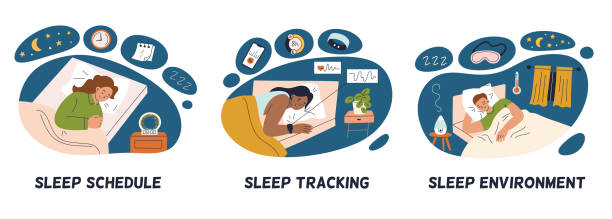
Going to bed and waking up at the same time every day helps your body stay balanced.
How Much Sleep Do You Actually Need?
Most adults need around 7–9 hours of sleep per night. Teenagers may need even more. But quality also matters. Sleeping 8 hours with constant interruptions is not the same as deep, continuous sleep.
To improve sleep quality:
- Avoid screens at least 30–60 minutes before bed
- Keep your room dark and cool
- Avoid heavy meals late at night
- Try to sleep and wake up at the same time daily
Small habits can make a big difference.
Final Thoughts
Sleep is not laziness. It’s one of the most powerful health tools we have — and it’s completely free. Yet, it’s often the first thing we sacrifice.
The hidden impact of sleep on your body is huge. It shapes your brain performance, heart health, immune strength, emotional stability, weight control, and even how long you live. When you sleep well, your entire system works better.
So next time you think about staying up late for no real reason, remember — your body is waiting for that repair time. And trust me, it needs it more than you think.