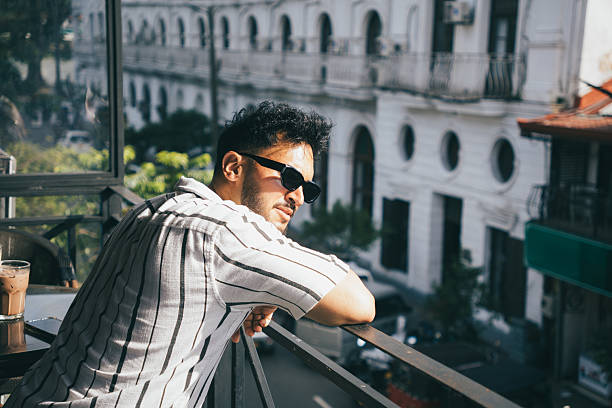

Clothes are not just pieces of fabric we wear to cover our bodies. They are silent messages. Before you even speak a single word, people already form opinions about you based on what you’re wearing. It sounds unfair maybe, but that’s just how human psychology works. Fashion is deeply connected with identity, mood, and even confidence. The concept of fashion psychology studies how colors, styles, and clothing choices reflect personality and influence behavior.
Let’s break this down and understand what your outfit might actually be saying about you.
The First Impression Effect
There is a psychological concept called “thin slicing,” which basically means people make quick judgments within seconds. When you walk into a room, your outfit becomes part of that first impression. A well-fitted blazer may signal professionalism and discipline. A graphic T-shirt and ripped jeans might suggest creativity or a relaxed personality.
Sometimes people say, “Don’t judge a book by its cover.” But honestly, we all do it a little bit. It’s natural. Our brain uses visual cues to quickly understand social situations. Clothing acts as one of the strongest visual signals.
In professional settings, formal outfits often create trust and authority. That’s why lawyers, CEOs, and politicians usually dress sharply. On the other hand, creative industries like design or music allow more expressive fashion because it signals originality.
Color Psychology in Fashion
Colors play a huge role in how others perceive you — and even how you feel about yourself.
- Black often represents power, elegance, and mystery. Many people wear black when they want to feel confident or serious.
- Red is bold and attention-grabbing. It signals passion, energy, and sometimes dominance.
- Blue is associated with calmness and trust. That’s one reason why many corporate brands use blue in their logos.
- White often symbolizes simplicity, purity, or minimalism.
- Yellow gives off cheerful and optimistic vibes.
Have you noticed that on days when you wear bright colors, your mood sometimes feels lighter? That’s not coincidence. Studies suggest clothing color can influence emotional states. It’s almost like your wardrobe is connected to your brain more than you realize.
Dressing for Confidence
There is something called “enclothed cognition.” This theory explains that what you wear can directly impact your psychological performance. If you dress in something that makes you feel powerful, you may actually behave more confidently.
Think about wearing formal clothes for a presentation. You stand straighter. You speak more clearly. Compare that to wearing pajamas — your posture and energy change completely.
It’s similar to wearing sports shoes when going to the gym. Just putting them on mentally prepares you for exercise. Clothes act like triggers for behavior.
Personally, I’ve noticed that when I wear well-fitted clothes, I automatically feel more productive. On lazy days, when I stay in loose homewear, my focus is not that sharp. Maybe it’s just in my head, but psychology says it’s real.
Minimalist vs. Maximalist Style
Your fashion style also reflects how you approach life.
Minimalists usually prefer neutral colors, clean cuts, and simple outfits. This may signal that they value organization, clarity, and practicality. They might not want too much attention but prefer subtle elegance.
Maximalists, on the other hand, love bold prints, layers, and statement pieces. This style often shows creativity, confidence, and sometimes a love for attention. It says, “I’m not afraid to stand out.”
Neither style is better. They simply communicate different personality traits.
Casual Dressing and Approachability
Casual outfits often make people seem more friendly and approachable. Think about a startup founder wearing jeans and sneakers. It creates a relaxed image and makes them seem more relatable.
In contrast, someone wearing a strict formal suit may look authoritative but slightly distant. That doesn’t mean they are unfriendly, but clothing can create psychological barriers.
This is why many modern workplaces are shifting toward smart-casual dress codes. It balances professionalism with comfort and relatability.
Cultural and Social Identity
Fashion is also strongly connected to culture and social belonging. Traditional clothing can reflect pride in heritage and values. Streetwear may signal connection to youth culture or certain communities.
Clothing can show your political views, music taste, or lifestyle choices. For example, wearing band merchandise often communicates what kind of music you love. Athletic wear might signal that fitness is important in your life.
Sometimes we dress to fit in. Other times, we dress to stand out. Both are forms of self-expression.
The Emotional Side of Fashion
Many people underestimate the emotional side of clothing. We often attach memories to outfits. A dress worn at a special event. A jacket gifted by someone important. These items carry emotional value beyond fashion trends.
Comfort also matters. When you feel physically comfortable, you are mentally more relaxed. Tight, uncomfortable clothes may create irritation, which affects mood and patience levels.
Fashion psychology explains that clothing influences not just how others see us, but how we experience our own day.
Social Media and Self-Image
In today’s digital world, outfits are not just seen by people around us but also by online audiences. Platforms like Instagram and Pinterest have increased awareness about personal style.
Sometimes this can boost creativity. But sometimes it creates pressure to look perfect. People may dress for the camera rather than for themselves.
This shift has made fashion more performative. It becomes part of personal branding. Your outfit becomes your identity in the digital space.
Fashion as Silent Communication
At the end of the day, fashion is a language without words. It tells a story about mood, values, confidence level, and personality. It may not tell the full story, but it gives hints.
What’s interesting is that you can use this knowledge intentionally. If you want to appear confident, choose structured pieces. If you want to seem approachable, go softer and casual. If you want to express creativity, experiment with colors and patterns.
Your wardrobe is like a toolbox for identity. Every morning, when you choose what to wear, you are deciding what message to send.
Fashion psychology reminds us that clothing is not shallow or superficial. It’s deeply connected to human behavior, perception, and emotion. So next time you pick an outfit, maybe think about it for a second — not just about trends, but about what you want it to say about you.