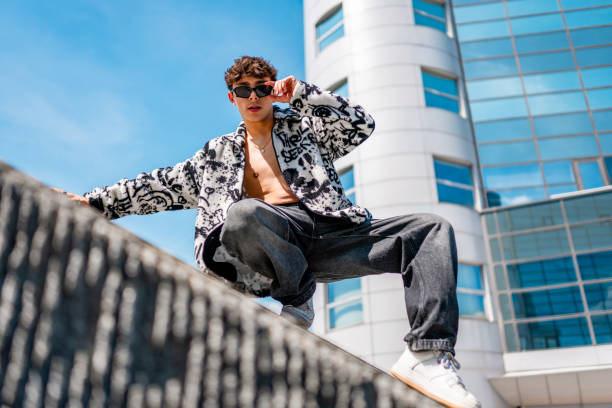

Streetwear is not just about hoodies, sneakers, and oversized T-shirts. It is something bigger. It’s a movement, a mindset, and for many people, a way of expressing who they are without even speaking. What started as a small underground style connected to skateboarding and hip-hop has now become a global fashion force. But even though it is now seen on runways and in luxury stores, the heart of streetwear is still rooted in culture and community.
Streetwear first began to grow in the 1980s and 1990s. It was heavily influenced by skate culture, hip-hop music, graffiti art, and youth rebellion. Back then, it wasn’t about expensive brands or limited drops. It was about representing your crew, your city, and your taste in music. Skaters needed comfortable and durable clothes. Rappers wanted bold outfits that matched their energy. Graffiti artists wore clothes that allowed them to move freely while expressing their creativity. All of this slowly blended into what we now call streetwear.
One important thing about streetwear is authenticity. People in the culture care a lot about being real. You can’t just throw on a branded hoodie and claim you understand streetwear. It’s about knowing the story behind the pieces you wear. Many streetwear brands started from small groups of friends printing designs in their garages. These designs often reflected social issues, local pride, or inside jokes from their community. When someone wears those pieces, they are wearing that story too.
Sneaker culture is also a huge part of streetwear. Sneakers are not just shoes; they are collectibles, status symbols, and sometimes even investments. Limited-edition releases create excitement and long lines outside stores. Some people camp overnight just to get a pair. It may sound crazy to outsiders, but for sneakerheads, it’s about being part of something special. Owning a rare pair feels like owning a piece of history.
Another major element of streetwear is collaboration. Brands often collaborate with artists, musicians, or even other brands. These collaborations bring different creative worlds together. When two creative forces combine, the result often feels fresh and unique. That’s why limited collaborations sell out so fast. People want something that feels exclusive and meaningful.
Social media has played a massive role in spreading streetwear culture worldwide. Before the internet, trends moved slowly. Now, a new drop in one country can be seen instantly across the globe. Platforms like Instagram and TikTok allow people to showcase their outfits and influence others. A single post can make a small brand famous overnight. At the same time, this fast exposure has also changed the culture. Some argue that streetwear has become too commercial and lost its underground spirit.
Luxury fashion entering the streetwear space changed everything. High-end designers started collaborating with street brands. Hoodies and sneakers began appearing on fashion runways. This created a new category often called “luxury streetwear.” Prices went up, and suddenly, what was once affordable became exclusive. Some longtime fans felt the culture was being taken over by money and hype. Others saw it as recognition of streetwear’s creative power.
But streetwear is not just about hype or expensive logos. At its core, it is about self-expression. It gives young people a way to show who they are. Someone might wear baggy jeans and a graphic tee to represent their love for skateboarding. Another person might style their outfit around hip-hop influences. There are no strict rules, and that freedom is what makes streetwear powerful. It allows mixing and matching styles, experimenting with colors, and breaking traditional fashion norms.
Streetwear also connects deeply with music. Hip-hop artists especially have influenced what people wear. When a rapper wears a certain brand, fans often follow. Music videos, concerts, and album covers all play a role in shaping fashion trends. The relationship goes both ways. Fashion brands sponsor artists, and artists promote brands. It becomes a cycle of influence.
Community is another strong pillar of streetwear culture. Pop-up events, sneaker conventions, and local meetups bring people together. These spaces are more than shopping experiences; they are social gatherings. People talk about new releases, trade items, and share styling ideas. For many, these events feel like family reunions. It creates a sense of belonging.
Streetwear has also become a platform for social and political messages. Many brands use their designs to speak about issues like inequality, racism, climate change, and mental health. Graphic prints and bold slogans can send powerful statements. Because streetwear is visible and popular among youth, it becomes an effective way to spread awareness.
However, with popularity comes challenges. Counterfeit products are everywhere. Fast fashion brands copy original designs and sell them cheaply. This hurts smaller creators who put time and effort into their work. Also, the pressure to constantly buy new releases can create unhealthy spending habits. Some people feel they must keep up with every drop to stay relevant, which can lead to financial stress.
Despite these problems, streetwear continues to evolve. It adapts to new generations while holding onto its roots. What makes streetwear special is that it belongs to the streets, to real people. It reflects what is happening in society. It changes with music, art, and social movements. It is not controlled by one designer or one city.
In the end, streetwear is more than clothing because it tells stories. It shows identity, creativity, and resistance. It connects strangers who share the same passion. It turns simple pieces of fabric into symbols of culture. Whether someone is wearing a basic oversized hoodie or a rare limited-edition sneaker, what truly matters is the meaning behind it.
Streetwear started as a voice for youth culture. Even today, in a world full of trends that come and go quickly, it remains a strong and influential force. It reminds us that fashion is not just about looking good. Sometimes, it’s about standing for something, belonging to something, and expressing yourself in the most honest way possible.